

How to Protect Your Sacramento Investment from Real Estate Receivership in 2026
Let's talk about a fictional, but increasingly common scenario: A Sacramento investor owns a twelve-unit apartment building she inherited from her parents. Tenants complain about a leaky roof. She gets estimates but delays the repair for a few months while comparing contractor bids. Then, three tenants withhold rent. The city issues a code violation. She hires an attorney to evict the non-paying tenants. Two weeks later, a process server delivers a petition: the tenants are asking a judge to appoint a receiver to take over her property.
Within 30 days, she has lost control of her building. A court-appointed stranger now collects all the rents, makes all the decisions, and bills the property $15,000 per month for "professional receiver fees." Six months later, the receiver has spent $180,000 on repairs (at non-competitive rates), wiped out her equity, and she's facing a lender foreclosure because the receiver's spending exceeded the property's income. She will likely never get her building back.
This is receivership. It's a court takeover of your property that sits halfway between neglect and foreclosure. Once a judge signs the order, you lose the right to collect rents, approve repairs, or make any decisions about your own assets. Many owners never recover their properties. Those who do often discover their equity has been completely consumed by receiver fees and court-approved repairs at above-market rates.
The good news? Receivership is entirely preventable.
The key is understanding the warning signs before someone petitions the court, and having documentation systems that prove you're actively managing the property. This guide will show you exactly what triggers receivership in California, who can petition for it, and the specific steps that protect your equity from court intervention.
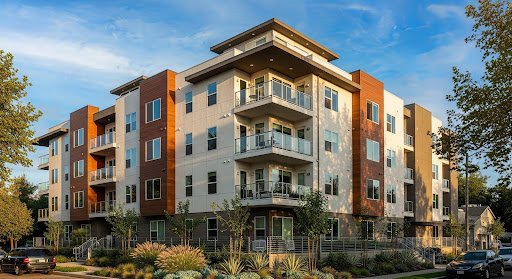
What is receivership?
Receivership is when a judge appoints someone else to take over and manage your property because you've failed to maintain it properly. Think of it as the court saying: "This owner can't or won't fix the problems, so we're putting someone else in charge until they do."
The person the court appoints is called a receiver. The receiver reports to the judge, not to you. Once appointed, the receiver has legal authority to:
Collect all your rental income
Make all repair decisions
Hire contractors and pay them from your rents
Borrow money against the property (with a court order)
Operate the building however they see fit
You, the owner, lose all these rights the moment the judge signs the appointment order. You can't collect rent, can't enter the property without permission, and can't stop the receiver from spending money on repairs, even if you disagree with their decisions.
Who can ask a judge to appoint a receiver?
Several parties can petition the court to take over your property:
Your tenants - If you're not fixing habitability problems (broken heat, leaks, mold, pest infestations)
The city - If code violations pile up and you're not correcting them
Your lender - If the property is deteriorating and threatening their collateral
Your co-owners - If you're in a partnership that's deadlocked and the property is suffering
HOA - If you're letting the property become a nuisance that affects neighboring units
Securing your asset often begins with a formal partnership; learn why a professional property management agreement is critical for maintaining lender confidence.
Receivership doesn't happen automatically. Someone has to file a petition and convince a judge that you're not capable of managing the property properly. But here's the problem: once enough evidence accumulates (repeated tenant complaints, city violations, deferred maintenance), judges routinely grant these petitions.
California has some of the strongest receivership laws in the country. Health and Safety Code Section 17980.7 gives cities and tenants explicit authority to request that judges appoint receivers for substandard housing. Only a handful of other states have laws this robust. This means California property owners face a receivership risk that owners in most other states don’t.
We're also seeing a surge in receivership activity right now due to:
The commercial loan "maturity wall" - Many loans originated in 2016 at low rates are maturing in 2026. Owners who can't refinance at today's higher rates are technically defaulting, and lenders are using receivers to stabilize properties.
Office building crisis - Office values have crashed, particularly in San Francisco and Los Angeles. Lenders are appointing receivers to convert these buildings to residential or mixed-use.
Aggressive city enforcement - California cities are using Health and Safety Code receiverships much more actively to deal with neglected apartment buildings and the housing crisis.
The financial reality of receivership
Many owners never get their properties back from receivership. Even if you do regain control, the receiver may have spent so much on repairs and professional fees that your equity is gone. Receivers typically charge $150-600 per hour, and they hire attorneys, accountants, contractors, and property managers, all of whom bill the property at premium rates. Monthly receiver costs commonly exceed $15,000 for residential properties.
Receivership is designed to fix the property, not to protect your investment. The receiver's job is to satisfy the court and the petitioning party. Your financial interests are secondary.
That's why prevention is everything.
Park Glen Management (PGM) operates with direct knowledge of the laws governing receiverships. Our attorney-founded structure ensures that our management agreements include provisions designed to prevent the accumulation of conditions that would provide statutory grounds for receivership.
Why do court-appointed receiverships happen and how to avoid them?
Understanding what triggers receivership helps you avoid it. Courts don't appoint receivers because you're a bad person or even a bad landlord. They appoint receivers when the evidence shows a pattern: problems accumulate, repairs don't get done, and the property deteriorates while you remain in control.
Here are the most common triggers.
Habitability violations
California Civil Code Section 1941.1 lists specific conditions that make a rental unit legally uninhabitable. If your property lacks these basics, tenants can petition for a receiver:
Waterproof roof and exterior walls with working windows and doors
Working plumbing and gas systems
Hot and cold running water that tenants control
Working heating system
Safe electrical wiring and lighting
Clean, sanitary conditions without pests or debris
Adequate trash receptacles
Floors, stairs, and railings in good repair
Courts don't care whether you meant to fix these things, whether you were getting estimates, or whether the tenant didn't complain loudly enough. If these conditions exist and persist after you've been notified, that's enough evidence for a judge to appoint a receiver.
For a deeper dive into the legal classification of these maintenance items, read our full guide on California Rental Property Repairs.
Multiple tenant complaints to the city
A single tenant complaint to code enforcement might be routine. But when multiple tenants file complaints with the city, health department, or fair housing agencies, you're creating an official record of systematic problems.
Judges see these patterns and conclude: "This owner isn't responding to problems. A receiver is necessary."
What you should do: Respond to every tenant complaint in writing within 48 hours. Even if you can't fix it immediately, document that you've acknowledged it, hired a contractor, and have a timeline. Create a paper trail showing active management.
Park Glen Management (PGM) maintains repair request databases that automatically track acknowledgment dates and completion timelines. Our systems ensure every tenant complaint receives a written response within 48 hours and gets categorized by urgency, so habitability-critical repairs are completed within the 14-day window that courts expect.
Outstanding code violations
When the city issues a Notice of Violation, they typically give you 30-90 days to fix it. If you miss that deadline, you've given the city statutory grounds to petition for receivership.
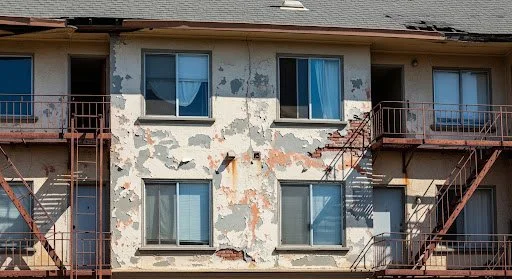
Courts don't distinguish between "serious" and "minor" violations. Persistent cosmetic violations (peeling paint, broken fences, overgrown landscaping) can support receivership just as easily as major structural issues. The pattern of non-compliance is what matters.
What you should do: Treat every code violation as urgent. Respond within the deadline. If you need more time, file for an extension in writing before the deadline expires. Document everything.
Visible deferred maintenance
When inspectors walk through your property and observe obvious deterioration (e.g., water stains from roof leaks, inoperable heating systems, corroded plumbing, peeling lead paint), they document it with photographs. These become evidence.
You might think "I'll get to it" or "It's not that bad," but judges see photographic proof of neglect. That's often enough.
What you should do: Conduct your own quarterly inspections with photos. Fix visible problems immediately. Create records showing you're proactively maintaining the property, not just reacting when tenants complain.
Park Glen Management (PGM) conducts regular inspections with photographic documentation for all managed properties. Our inspection reports establish baseline conditions, track maintenance completion, and provide contemporaneous evidence that contradicts neglect allegations when receivership petitions are filed.
Elevated tenant turnover due to conditions
If tenants keep moving out and their lease termination notices cite habitability issues, that pattern tells a story: your property is so bad that tenants would rather lose their security deposits and break their leases than keep living there.
Courts call this a "constructive eviction"; you're forcing tenants out by creating uninhabitable conditions. It's evidence that supports receivership.
What you should do: Track why tenants leave. If you see recurring maintenance issues, address them before the next tenant moves in.
Co-owner disputes
If you co-own a property and you're deadlocked with your partner about repairs, the property suffers while you argue. Email chains showing "I think we should fix the roof" / "No, it's too expensive" / "Well, I'm not approving it" become evidence that neither owner is capable of managing the property.
Courts appoint receivers to break these deadlocks.
What you should do: Have a written operating agreement that specifies who has authority to approve emergency repairs (usually anything under $5,000-$10,000). Create a decision-making process with clear timelines to prevent disputes from paralyzing maintenance.
Financial problems that prevent repairs
If your property doesn't generate enough income to cover necessary repairs, insurance, taxes, and mortgage payments, the court may determine that you can't afford to maintain it properly. Financial incapacity, even without bad intent, can justify receivership.
What you should do: Maintain reserve accounts with 5-15% of gross rents set aside for capital improvements. If the property can't support proper maintenance, it may be time to sell before a receiver forces the issue.
Park Glen Management (PGM)'s approach to receivership prevention is built on systematic compliance monitoring calibrated to these triggers. Our property inspection protocols are designed to detect and document the specific conditions listed in Civil Code Section 1941.1 before they accumulate into patterns that indicate the judicial appointment of a receiver.

Signs you’re at risk of receivership
Most owners don't see receivership coming until the petition gets filed. Here's how to recognize when you're approaching dangerous territory:
-
If you have maintenance requests that have gone unaddressed for more than a month, you're creating evidence of neglect. Courts prioritize response time over severity.
-
The moment a tenant escalates beyond you to code enforcement or the health department, you're at elevated risk. That official complaint is now part of the public record.
-
If the city gave you 60 days to fix something and day 61 arrives with no action, you've handed them grounds for receivership.
-
That roof leak you've been "meaning to fix," the broken heating system you're "getting estimates for," the peeling paint you'll "handle next quarter"; every day of delay is evidence.
-
When tenants stop paying because conditions are bad, that's a red flag. It means they believe the property is uninhabitable and they're willing to risk eviction to prove it.
-
If your emails, texts, or letters show that you and your partner can't agree on basic maintenance decisions, you're vulnerable.
-
If you have several tenants suing over habitability, personal injury, or fair housing violations, courts may appoint a receiver as a "protective measure" even before those cases conclude.
If you recognize any of these warning signs, take action immediately. The longer these conditions persist, the stronger the case for receivership becomes.
Park Glen Management (PGM) uses systematic property condition monitoring to identify these warning signs before they accumulate into grounds for receivership. When we detect repair requests approaching 21-day windows or code violations nearing deadlines, we escalate internally to ensure compliance. Our documentation protocols create verifiable response records that demonstrate active management, providing courts with evidence inconsistent with the neglect required to justify receivership appointments.
How a property management company can be used as a receiver
Here's something most owners don't know: if receivership becomes unavoidable, you can request that the court appoint a professional property management company as receiver instead of an individual attorney or accountant.
Why this matters
Management companies have operational infrastructure that individual receivers must outsource. They already have licensed property managers, maintenance staff, tenant communication systems, accounting protocols, and established relationships with bonding companies. This means:
Lower costs (management company fees vs. attorney hourly rates plus subcontractor markups)
Faster response to repairs (they have contractor relationships already)
Better tenant relations (they do this professionally, not as a side assignment)
Proper financial reporting (their systems already generate the monthly reports courts require)
How courts choose receivers
California Rules of Court, Rule 3.1177, lets any party nominate a receiver. If you know receivership is likely (maybe you're in a partnership dispute, or code violations have accumulated beyond what you can fix quickly), you can proactively nominate a qualified property management company in Sacramento.
Courts look for:
California real estate broker license (required to collect rents)
Experience managing similar properties
Bonding capacity
Financial reporting systems
No conflicts of interest with any party
The advantage of requesting PGM
If receivership appears inevitable, requesting that the court appoint Park Glen Management as receiver offers several benefits:
We're already familiar with Sacramento properties and local code requirements
Our attorney-founded structure means we understand the legal standards courts expect
We maintain the insurance and bonding that courts require from receivers
Our management fees are typically lower than individual receiver hourly rates
We have systems for the monthly financial reporting courts mandate

The PGM advantage
Court-appointed receivership represents one of the most severe financial risks California property owners face. Once appointed, receivers routinely incur six-figure fees and repairs, often wiping out owner equity entirely. Many owners never regain control of their properties.
The only effective strategy is prevention.
Park Glen Management was founded by a real estate attorney with expertise in California habitability law and receivership statutes. We built our entire property management approach around preventing the accumulation of conditions that trigger court intervention.
What this means for you as the property owner
We identify receivership risks before they become patterns: Our quarterly inspections detect code violations, deferred maintenance, and habitability issues early, before they accumulate into the systematic neglect courts use to justify receivers.
Current knowledge of evolving regulations: California law changes constantly through court decisions and legislative amendments. We track these developments systematically and adapt our procedures immediately to ensure owners are never operating on outdated assumptions about judicial appointment standards.
We automatically respond within legal timeframes: Our systems ensure emergency repairs are completed within 24 hours, habitability-critical repairs within 14 days, and routine maintenance within 30 days. We don't wait for problems to escalate.
We create the documentation that defeats receivership petitions: Our tenant communication protocols resolve complaints at the property level. We know when issues require immediate action versus standard timelines. This prevents official complaints to code enforcement that create receivership grounds.
We handle tenant disputes before they reach the city: When we make decisions about repair prioritization or capital improvements, we document the factual basis so courts see reasoned management rather than arbitrary neglect.
We maintain financial controls that demonstrate capability: Our accounting systems track reserve funds, accurately allocate income, and generate monthly financial reports. When lenders or co-owners question whether the property can sustain proper maintenance, our records indicate that the property is financially responsible.
What this means for your property operations
You avoid court intervention entirely. You maintain control of your investment. You preserve your equity. You address tenant concerns through proven systems rather than reactive crisis management.
The question isn't whether professional management costs money. The question is whether the cost of prevention (8-10% management fees) is worth avoiding the catastrophic cost of receivership (six-figure receiver fees, above-market repairs, indefinite loss of control, potential total loss of equity).
Receivership is a costly 'emergency' solution. If you're ready to move from crisis mode to professional growth, see our guide on whether to hire a property manager or go it alone.
For Sacramento property owners who want to protect their investments from court takeover, Park Glen Management provides the attorney-founded expertise and operational systems that keep their properties off judges' desks.
Let's start a conversation about how Park Glen Management can protect and grow your real estate investments.
📞 (916) 269 - 9288
